Your cart is currently empty!
Checkout is not available whilst your cart is empty—please take a look through our store and come back when you're ready to place an order.
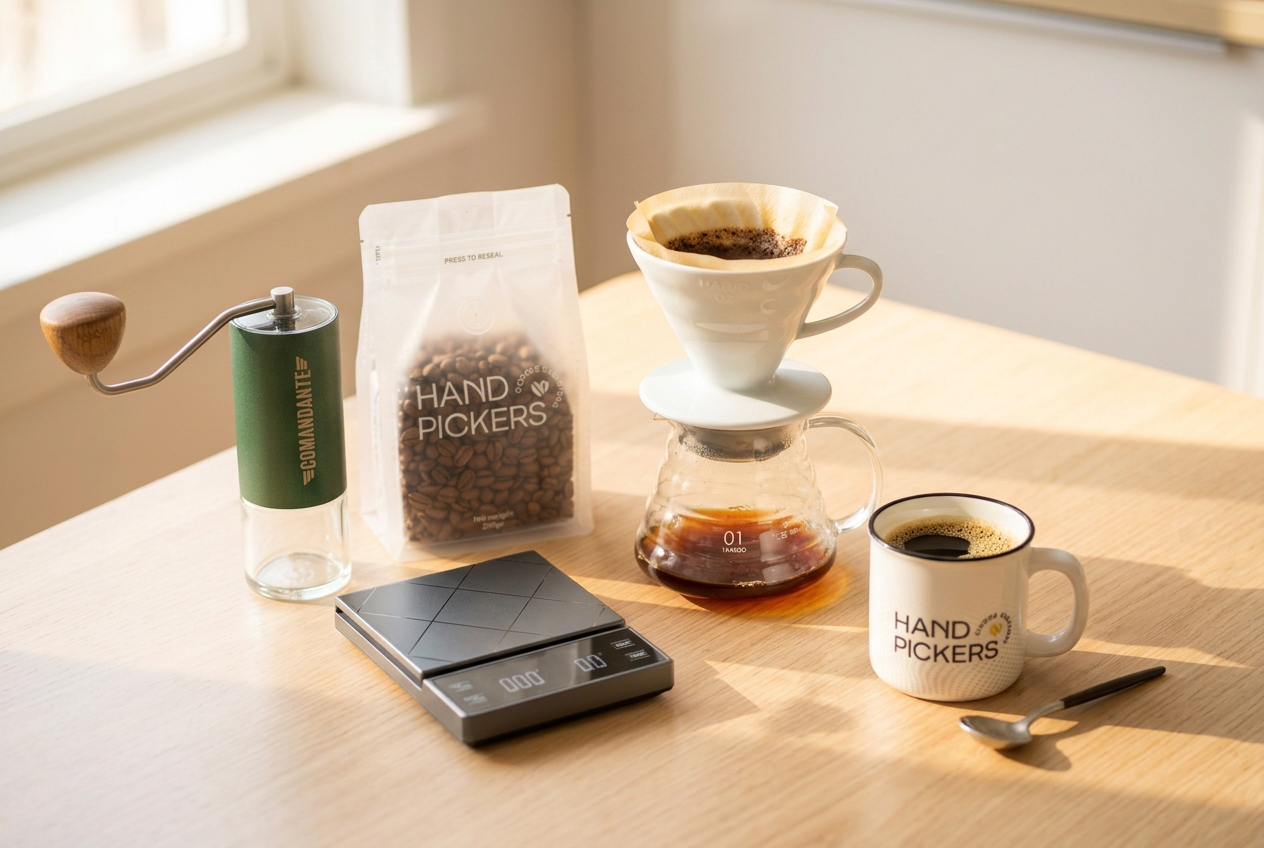
You can feel it without checking the numbers. Your neighbor just bought a conical burr grinder. Your colleague is posting latte art from her kitchen counter. And you — instead of standing in line at the café — find yourself weighing out 18 grams of coffee at 7 a.m., wondering whether yesterday’s grind was too coarse.
What’s happening has a name. Market researchers, trend analysts, and coffee industry heavyweights — from Mintel to Nestlé — are calling it the fourth wave of coffee. And its central thesis is simple: specialty coffee at home is no longer the exception. It’s becoming the standard.
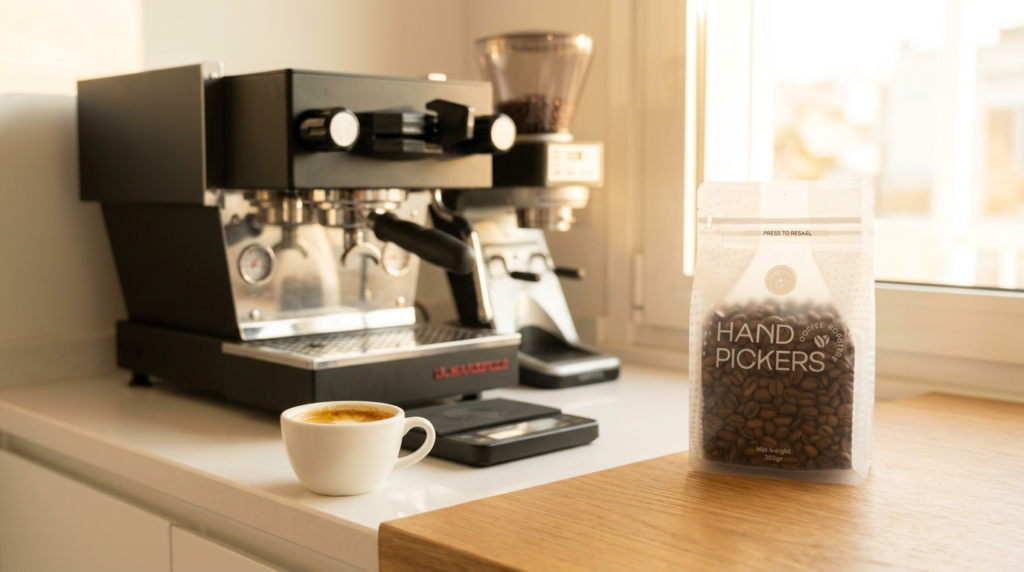
To understand where we’re headed, a quick look at where we’ve been.
The first wave (late 1800s) made coffee an accessible commodity — cheap, ubiquitous, with no questions about variety or origin. The second wave (1990s) brought café chains, lattes, and the idea that coffee could be an experience, not just fuel. The third wave (late 2000s) raised the bar: single origin, terroir awareness, light roasts, pour-over rituals — coffee as a craft product, sometimes with a side of pretentiousness that kept casual drinkers at arm’s length.
The fourth wave doesn’t overthrow the third. It democratizes it. Quality stays. Gatekeeping goes. Knowledge migrates from the barista behind
The data is unambiguous. According to NielsenIQ, hot beverage machine sales in Greece hit 403,000 units in 2025 — up 17.5% from 2023. The average price? Just €83 — access to decent espresso for less than what two weekly café freddo cappuccinos cost over a month.
Greek retail coffee sales reached €501.4 million in 2025 (up 13.7%), with the first seven months of 2026 showing another 8.9% increase. Meanwhile, nearly 46% of Greek consumers say they plan to cut back on café visits. They’re not drinking less coffee. They’re drinking it somewhere else — at home.
Globally, the picture mirrors this shift. The home barista equipment market is valued at $17.25 billion (2025), projected to reach $29.55 billion by 2034 at a 6.16% CAGR. In Europe alone, the market already stands at $5 billion — nearly 29% of the global total. In the US, 74% of specialty coffee drinkers made their coffee at home on any given day, according to the National Coffee Association.
These aren’t counter-trend numbers. They are the trend.
Mintel reports that 49% of Gen Z consumers discover coffee through TikTok — in a space that has racked up over 8 billion views of coffee-related content. Cold brew, iced lattes, and flavored espresso drinks account for more than 60% of their orders. Coffee consumption among 18-to-26-year-olds is up 30% since 2020, and one in four daily coffee drinkers in the US is now Gen Z.
Nestlé’s Daniel Jhung, president of the company’s US coffee and beverage division, sums up the fourth wave in four words: cold, convenient, customizable, crafted. Out of home, he notes, 70% of cups sold are now cold — not hot.
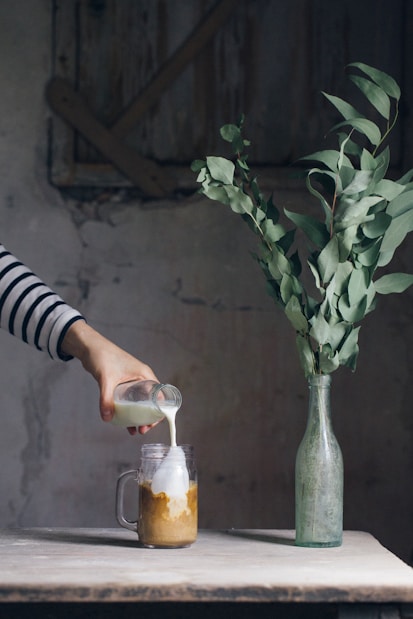
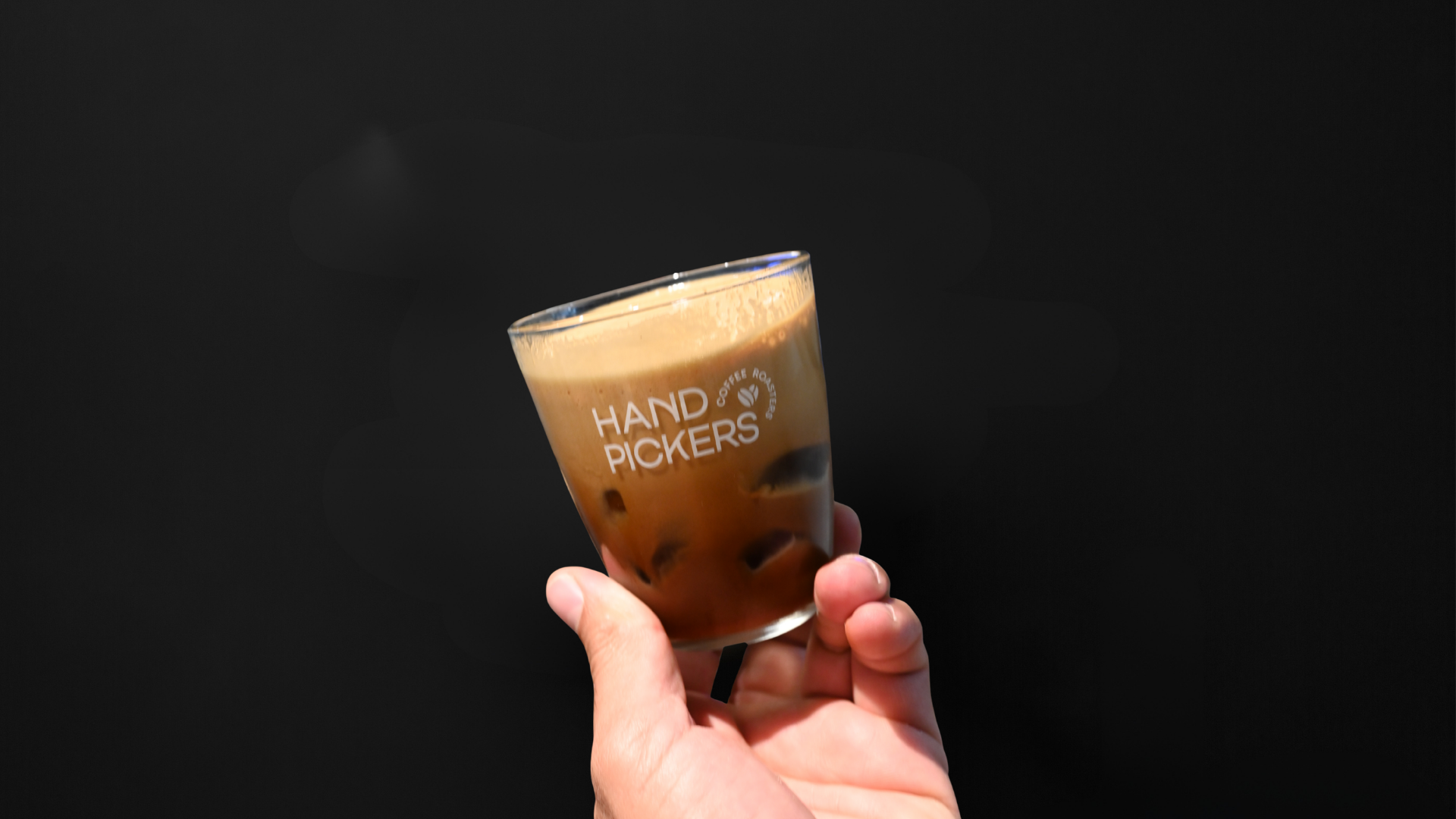
Here’s where it gets interesting for those of us in Greece. Those four characteristics describe what Greek coffee culture has been doing for decades. Freddo espresso and freddo cappuccino account for an estimated 70-80% of cold coffee consumption in Greece. We were the iced coffee nation before the term was trending.
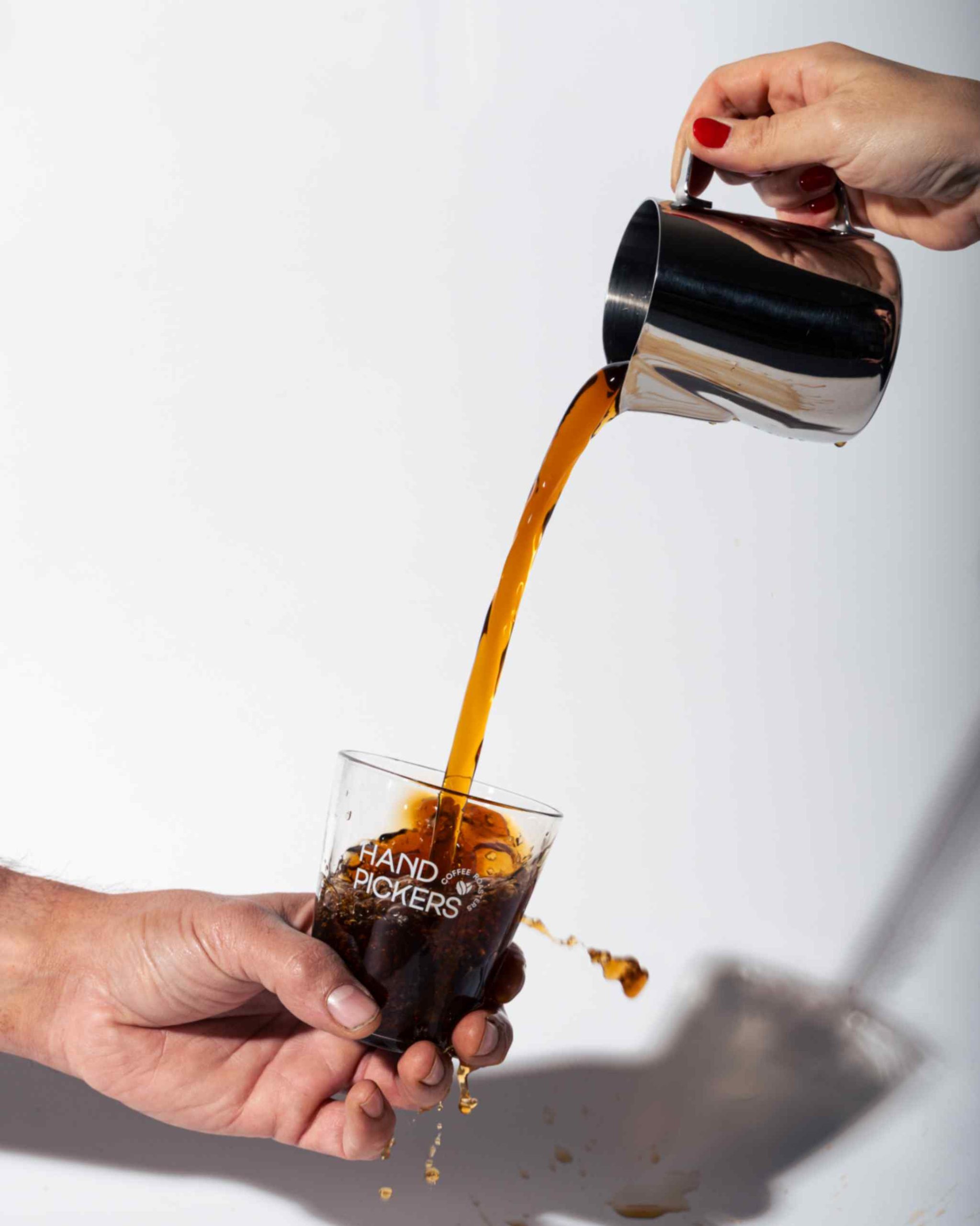
What’s changing now isn’t our love for cold coffee. It’s the quality of what goes into the cup. The same shaking motion for a freddo, but with a specialty single origin instead of a generic espresso blend. The same cold drink, but with a flavor profile you can actually name — stone fruit, chocolate, jasmine. That’s what specialty coffee at home really means: an upgrade that’s tangible, not pretentious.
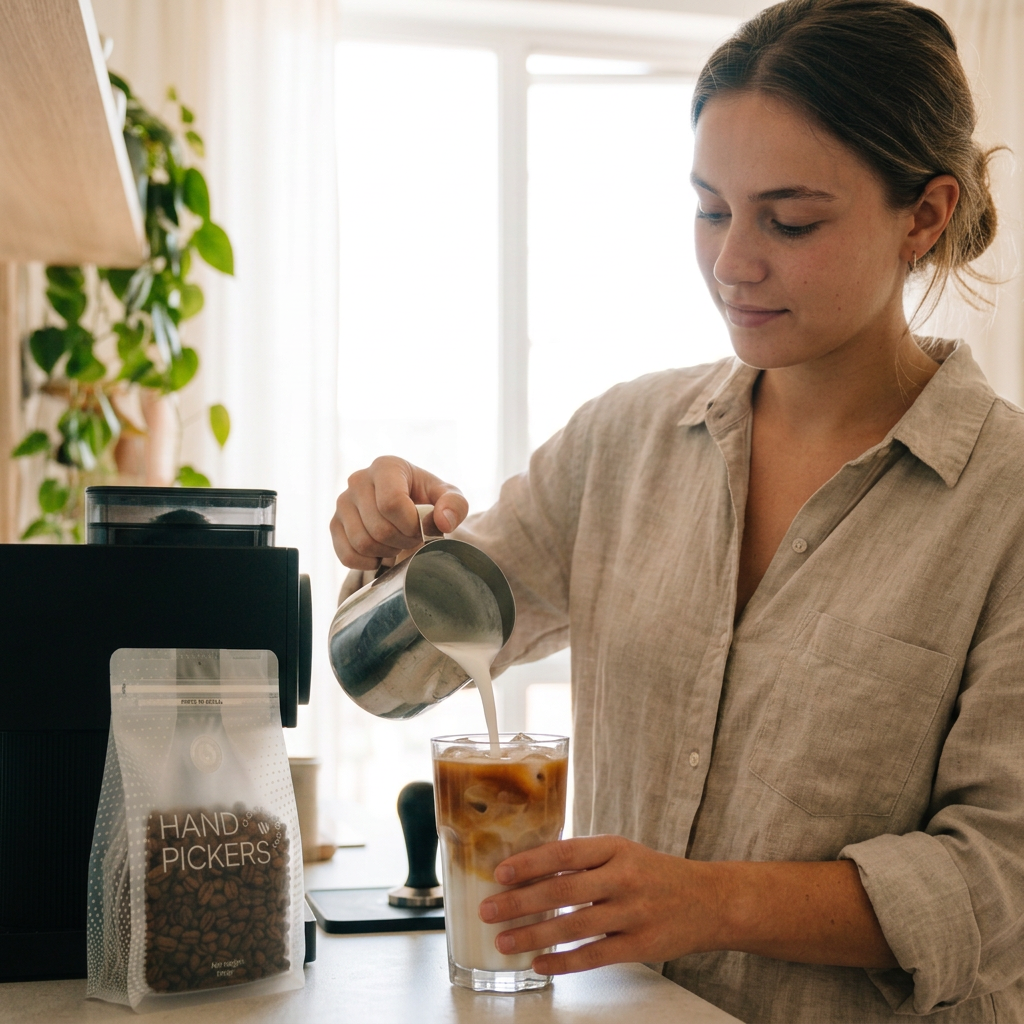
Three forces are converging simultaneously, making this shift feel less like a choice and more like an inevitability.
First, cost. With nearly two-thirds of Greek consumers planning to cut dining-out expenses, home coffee isn’t just a preference — it’s an economic strategy. A solid home setup pays for itself within two months of daily use, saving €2-4 per cup compared to café prices.
Second, access to knowledge. The skills for proper extraction — grind size, water temperature, brew ratio — are no longer professional secrets. A YouTube tutorial or a brew guide app walks you through it step by step. The specialized knowledge that once defined third-wave expertise has become open source.
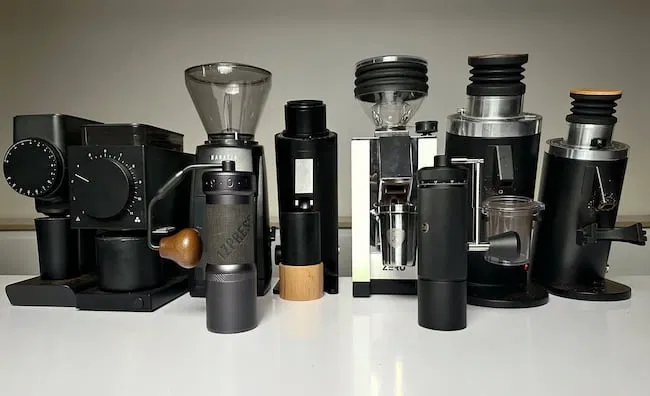
Third, equipment. Quality grinders, precision scales, and entry-level espresso machines cost less than ever. You don’t need a €2,000 setup for great specialty espresso at home. A solid hand grinder, a moka pot, or a pour-over dripper is enough to get started — and the results can be genuinely impressive.
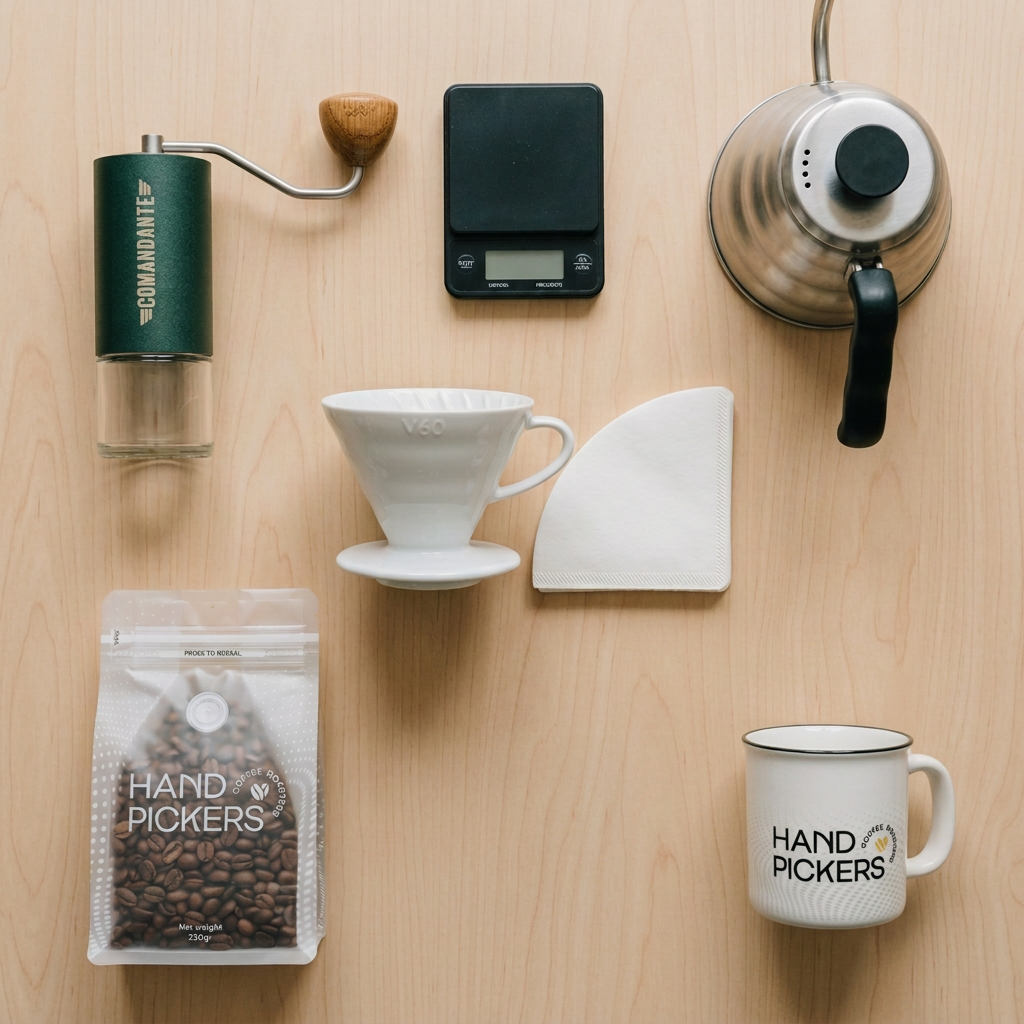
Let’s be specific. Specialty coffee at home doesn’t require a barista diploma or a 30-minute morning ritual. It means three things:
Here’s where we need to be honest. The machine and grinder aren’t enough if the raw material isn’t right. A specialty roaster’s job doesn’t end at roasting — it begins there.
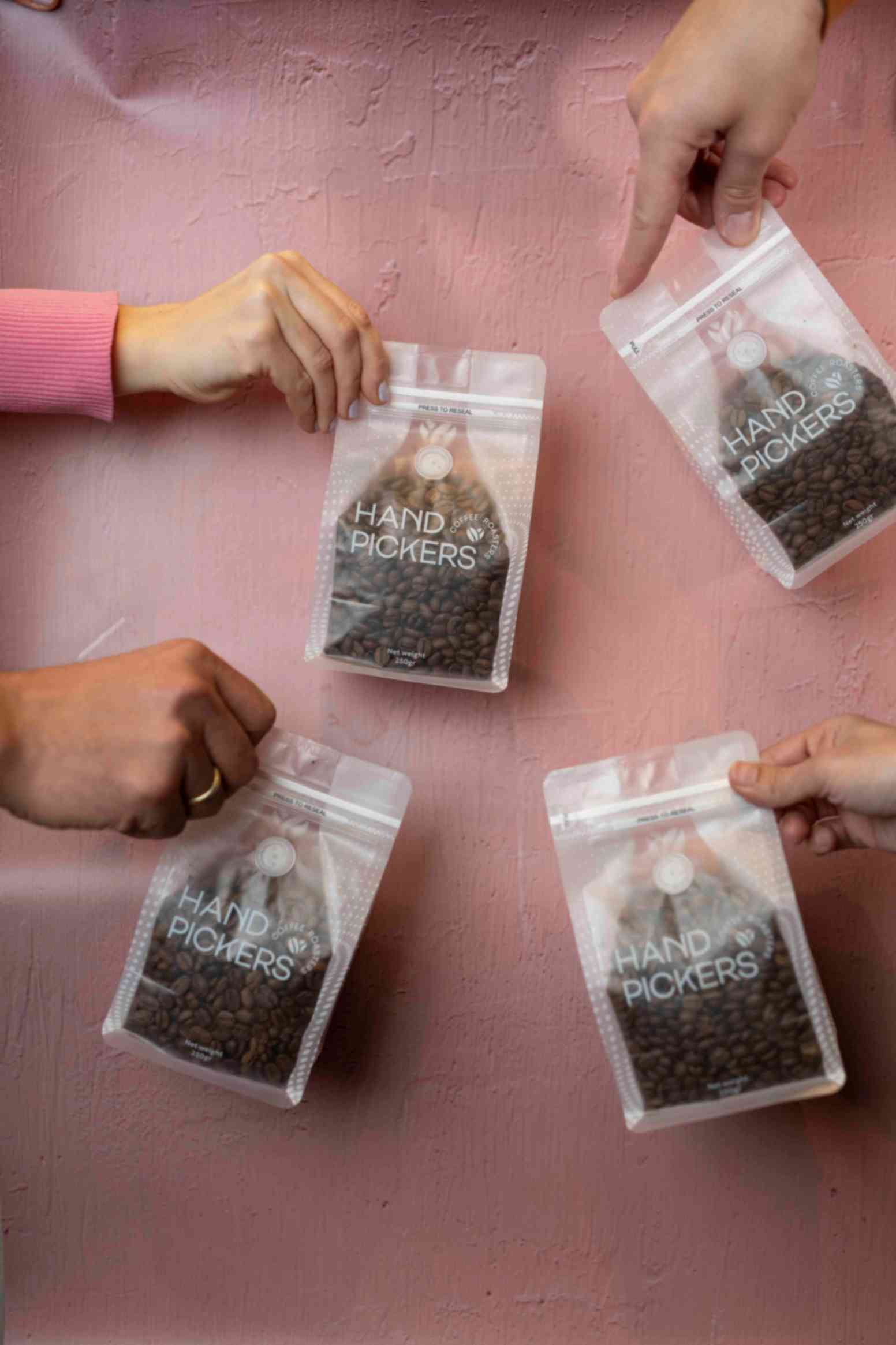
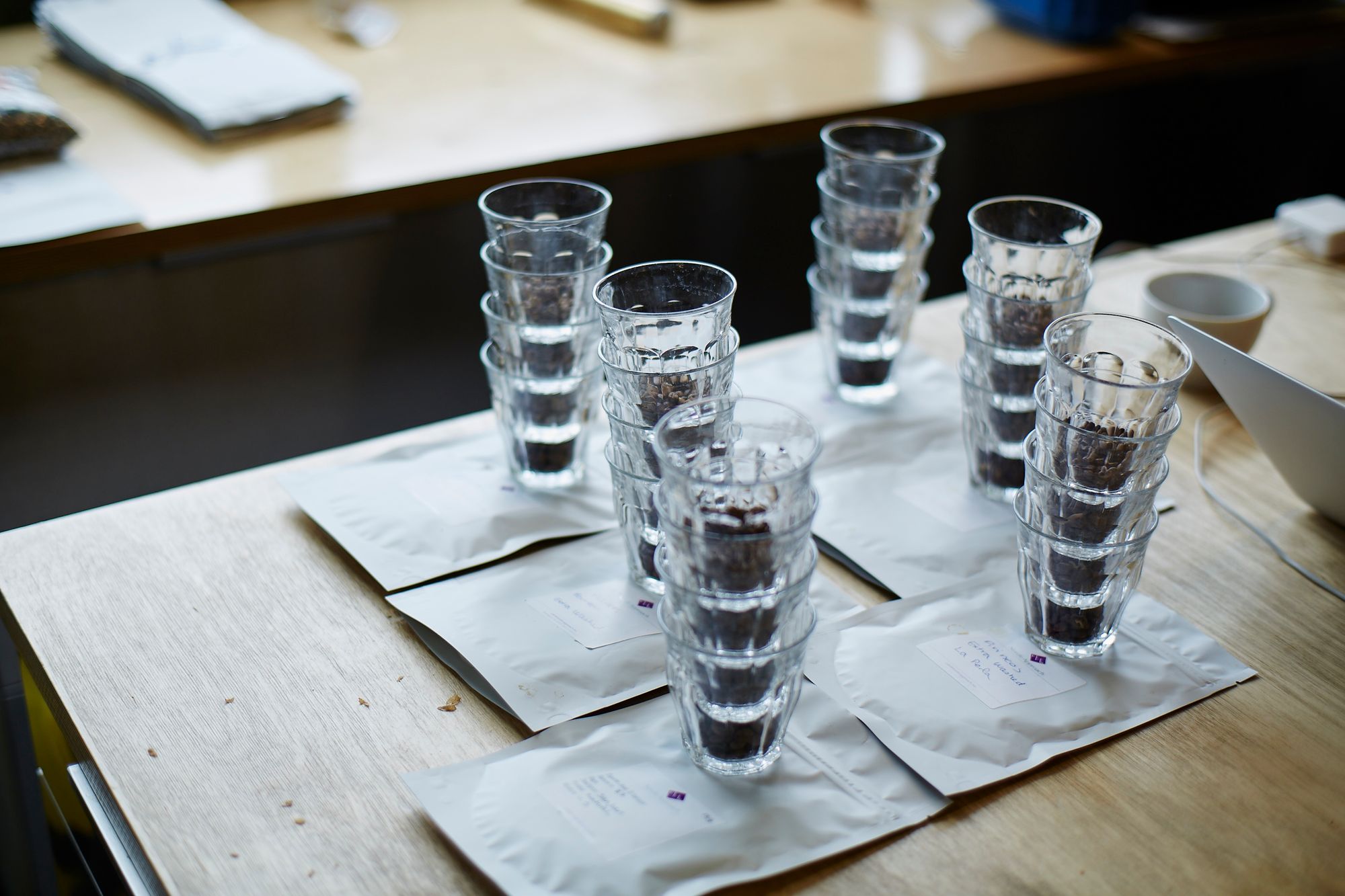
At Handpickers, every batch we roast is the result of a journey: selecting green coffee from farms we know, running sample roasts, cupping sessions, and final profile development that brings out each lot’s characteristics.
But beyond the product, our role is also educational. Because specialty coffee at home doesn’t need gatekeeping — it needs guides, recipes, grind settings, brewing ratios. The things that make the difference between a mediocre cup and an extraordinary one.
Our relationship with coffee is unlike any other. 80% of Greeks drink coffee daily, according to a Kapa Research survey for the Hellenic Coffee Association. Consumption isn’t just about caffeine — it’s social fabric. From the traditional kafeneio to the takeaway freddo, coffee in Greece has always been about community.
This gives the fourth wave a distinctive character here. We’re not replacing the café — we’re extending the playing field. Specialty coffee at home doesn’t mean isolation. It means pulling a single-origin freddo espresso for a friend who stopped by, sharing a morning pour-over with your partner, sending someone a bag of specialty coffee instead of flowers.
The shift isn’t just about quality. It’s about connection — with the coffee, with the people around you, with the moment itself.
If you’re thinking “this sounds great, but where do I begin?” — the answer is simpler than you might expect:
Step 1: Get great coffee. Freshly roasted, specialty grade, with a roast date on the bag.
Step 2: Invest in a grinder. This is the one purchase that truly makes a difference. An entry-level hand grinder with ceramic burrs costs around €40-60.
Step 3: Choose a method. For freddo lovers, a capable espresso machine starts around €200. For filter fans, a pour-over dripper runs under €15.
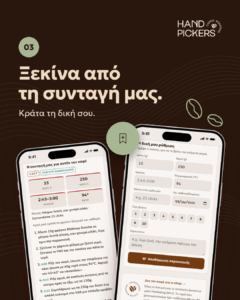
Step 4: Learn. [Our brew guide has ratios, timing, temperatures — everything you need to get started today.]
The fourth wave isn’t a fad. It’s the natural evolution of a culture mature enough that the consumer no longer needs an intermediary to drink exceptional coffee. The knowledge is here. The equipment is accessible. And the coffee — freshly roasted, traceable, specialty grade — arrives at your door.
Specialty coffee at home doesn’t take anything away. It adds. A moment of quality in your daily routine, a cup you actually love, a connection to the effort someone put in — at the farm, at the roastery, in the roasting — to bring that flavor to you.
Stories, tips and flavor – freshly served.